Lorem ipsum dolor sit amet, consectetur adipiscing elit. Ut elit tellus, luctus nec ullamcorper mattis, pulvinar dapibus leo.
Flush bolts
Manual flush bolts
Release and control of the passive door leaf are manual. All our manual flush bolts are operated with a lever mechanism.
Automatic flush bolts
The passive door leaf is automatically released when the active door leaf is opened, as the bolt's latch is released. Latching occurs automatically upon closing the active door leaf, as the latch is pushed in, thereby activating the bolt. Automatic flush bolts are often recommended when fire requirements are present.
Semi-automatic flush bolt
Release of the passive door leaf is manual. Locking occurs automatically when the passive door leaf is closed. The lock is constantly active, meaning the edge bolt can usually only be fitted at the top of the passive door leaf. Recommended as a supplement where an automatic flush bolt has been fitted at the bottom of the passive door leaf. With this installation, you achieve easy opening and secure two-stage locking, which contributes to less force being required during the closing action.
Karma rule
Anders fyller på
Choose the correct type of OLDA flush bolt
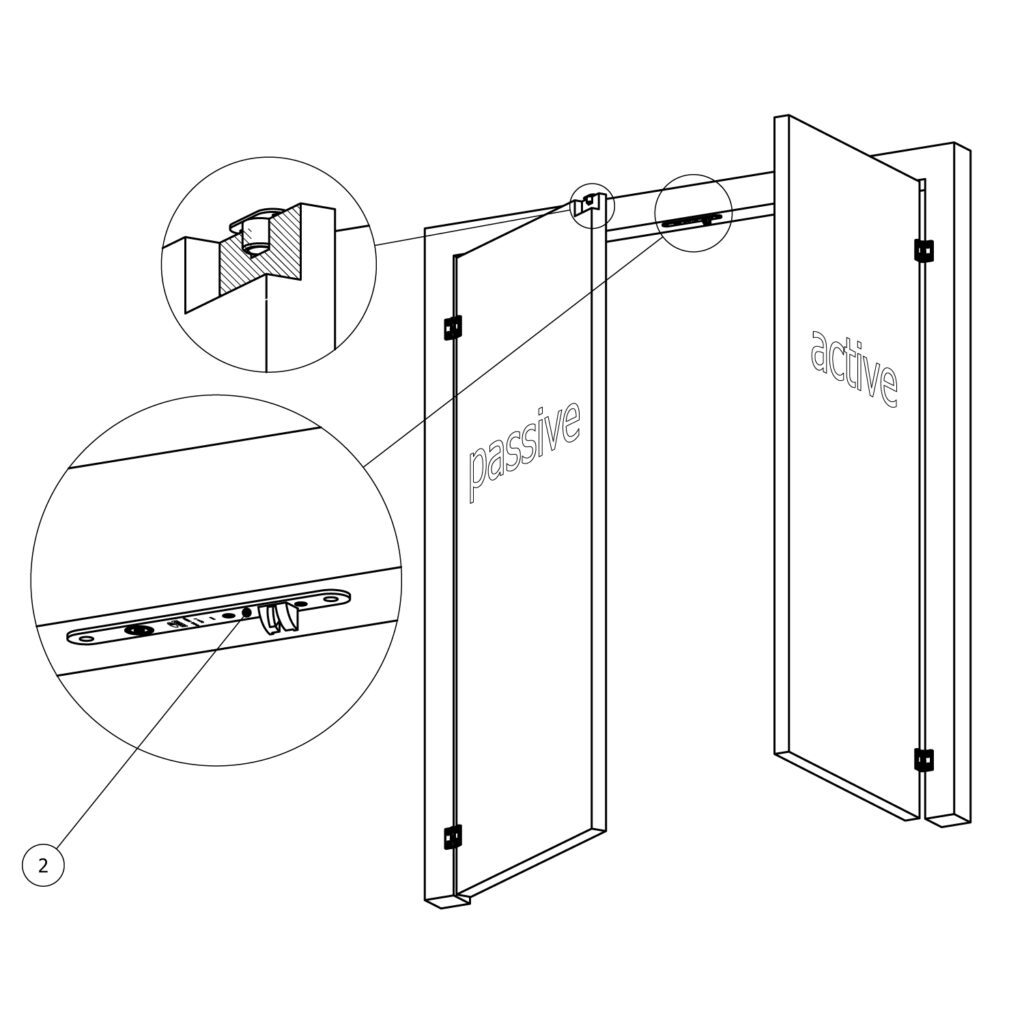
It is always the passive door leaf that is bolted by an flush bolt. The active door leaf is used for normal passage and is closed with a handle and possibly locked against the (closed) passive door leaf.
For automatic edge bolts, consideration must be given to whether the left or right door leaf is passive, as well as whether installation should be at the top or bottom. Hence, the need to specify OLDA edge bolt ”type 1” or ”type 2”.
A manual flush bolt has no ”type” and can be fitted in any position.
Old automatic flush bolts ordered and assembled as follows:
If the left door leaf is passive,
Select flush bolt Type 2 when mounting at the top and Type 1 down
If the right door leaf is passive,
Select flush bolt Type 1 when mounting at the top and Type 2 down
Old Automatic KARM rules ordered and assembled at the top according to the following:
If the left door leaf is passive,
Select frame rule Type 2 when mounting at the top:
If the right door leaf is passive,
Select frame rule Type 1 when mounting at the top:
Old Semi-automatic flush bolts ordered and assembled at the top according to the following:
If the left door leaf is passive,
Select flush bolt Type 2 when mounting at the top:
If the right door leaf is passive,
Select flush bolt Type 1 when mounting at the top:
Old Manuel Cantreglar ordered and assembled as follows:
Left door leaf is passive
The right door leaf is passive:
Features and properties
Mandatory function
In many door environments, a forced function on the automatic bolt is desired. This is to ensure that the door is fully bolted, for example from a fire safety perspective.
Spring function
However, in some cases, a spring-loaded function is desired instead. This is often requested when the owner of the door aims to prevent the frame or door leaf from being damaged – if the bolt is somehow prevented from reaching its activated position, e.g., if the strike plate is blocked.
Authority
For each product, the recommended fittings and screws that we specify should be used as far as possible. These are required for safe operation and a long service life for the product. For espagnolettes, this could include, for example, strike plates, guide plates and sliding plates. When installation takes place in a door environment other than the one originally intended, alternative fittings may be required. The choice of fastening, e.g. type of screw, should also clearly be adapted to the material etc.
Lock tubes
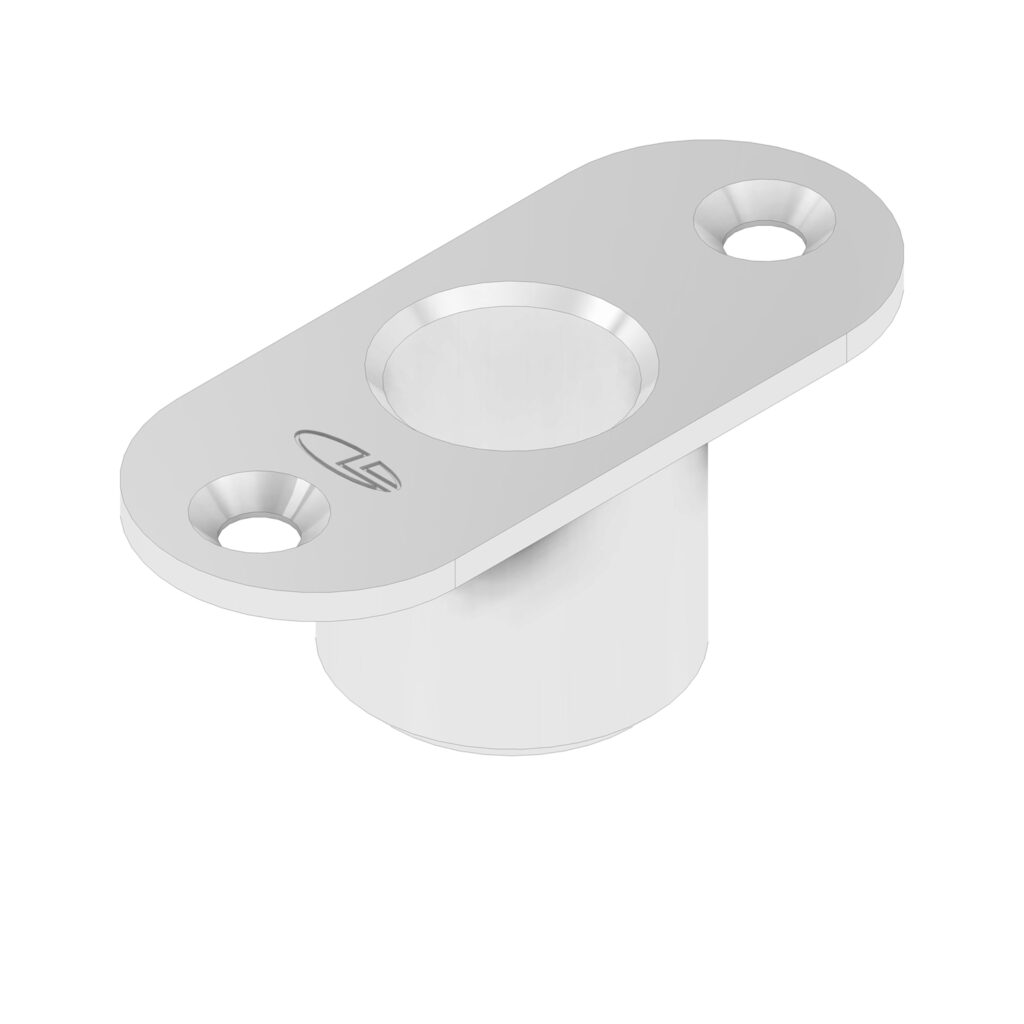
An lock tube is used together with edge bolts, to protect the frame or the threshold/floor when the bolt is activated.
Strike plates
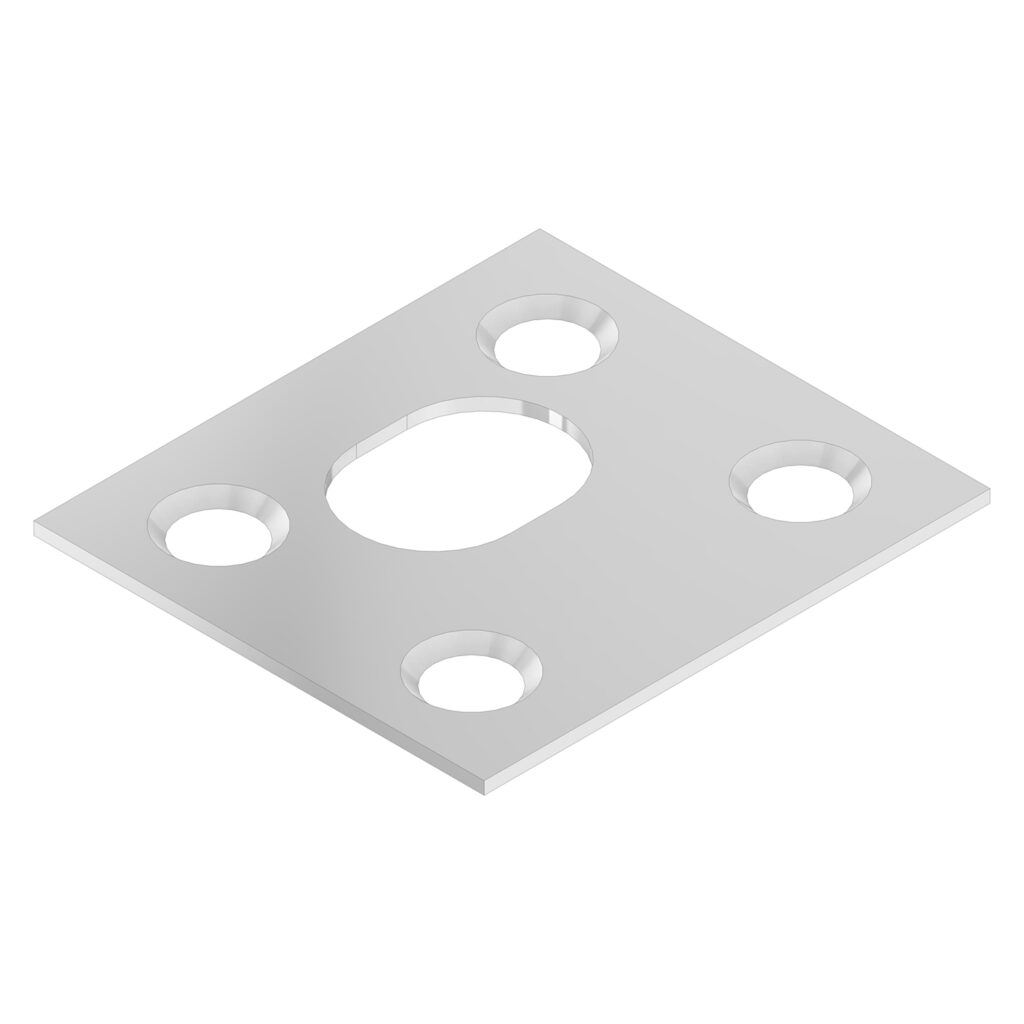
A strike plate is used with automatic flush bolts to protect the active door leaf edge when the actuator on the automatic flush bolt makes contact.
Guide plate
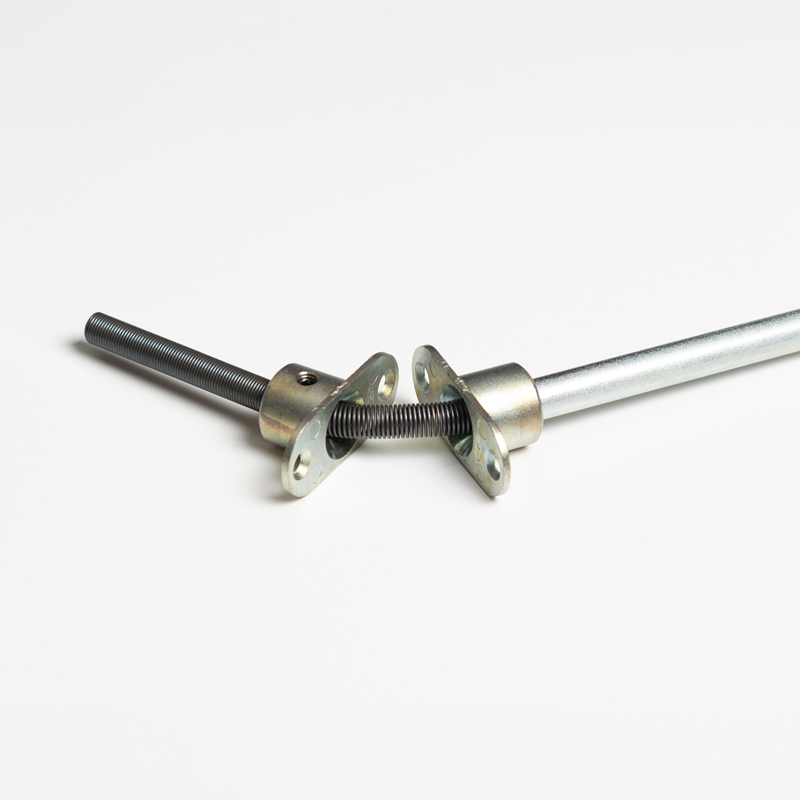
A guide plate is used with round bolt latches, to ensure correct bolting, especially with extended bolts and/or long rods.
Dust excluding floor sockets
Usually used when bolts are fitted at the bottom, to prevent grit and dirt from hindering the correct locking of the bolt.
In many cases, different accessories can also enhance the appearance or further optimise the function, e.g. through a well-designed, protected floor plate – which prevents grit and dirt from clogging the holes in the floor or threshold.
Supplementary door fittings
Lorem ipsum dolor sit amet, consectetur adipiscing elit. Ut elit tellus, luctus nec ullamcorper mattis, pulvinar dapibus leo.
Door coordinators
A prerequisite for automatic edge bolts, most locks, and rebated door leaves is that the pair of door leaves close in the correct order. This can be ensured using a coordinator.
Open limiter
To prevent the door or handle from damaging walls or furniture, any of our door stops can be used:
Cable transmission
If you want a concealed cable routing from the frame to the door leaf with simple installation, we can recommend our frame transfer.